Featured Post

Thinking About Foot Surgery? Ten Things You Need To Think About BEFORE You Have Foot Surgery.

Ten Things You Need To Think About BEFORE  You Have Foot Surgery. 1. You need to exhaust conservative treatment before you decide...

Showing posts with label podiatry shoe blog. Show all posts

Monday, November 28, 2022

Mash-Up Podiatry Recommended Shoe List!


Podiatry Recommended
2022-2023 Winter Mash-Up Shoe List

What makes these shoes 'podiatrist approved' is that they all meet 3 of the 4 criteria for what makes a comfortable shoe:

1. A thick, rigid, and non-flexible sole. A shoe that has a thick, rigid, and non-flexible sole allows less motion through painful joints, which means more foot comfort. The concept is counter-intuitive but less motion means less pain, less strain, and less damage to the joints and will help slow the progression of bunions, hammertoes, and arthritic joint changes. 

2. Wide toe box. Pointy-toed shoes cause bunions, hammertoes, corns,  and ingrown toenails (to name a few!). 

3. Rearfoot control. All of these shoes and boots have rearfoot control, which helps to decrease mechanical strain on tendons, and ligaments and also increases strain on your knees, hips, and lower back. 

4. Arch Support.  Many of these examples will not accommodate a full-length functional orthotic, but most will allow you to wear at least a good over-the-counter insert or a thinner dress orthotic. Arch support is important to help slow the progression of bunions and hammertoes as decreases strain on your knees, hips, and lower back. 
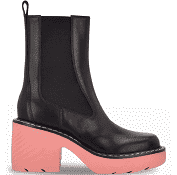


Fredy Platform Boot Marc Fisher LTD

This is a great option for anyone who knows that they can wear heels comfortably. Boots with more rearfoot height are especially good for anyone who has a history of previous Achilles tendonitis.


Dansko Professional Clogs 

The Dansko Professional Clog is the classic 'go-to' shoe for many doctors and nurses. They are great for working long hours on retail or concrete surfaces. They work best if you have feet that are relatively 'straight' with no big 'bumps' such as bunions or a high arch. The best way to figure out if these work for you is to got to the store and try them on. I do not recommend that your order these online unless you already know they work for you and you know your proper size. 


MATISSE

GAVIN PLATFORM BOOT
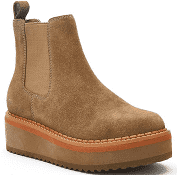


MATISSE

RONAN CHELSEA BOOT


The above two boots are going to work better on someone who knows that they can handle a heavier or chunkier shoe. I would not recommend these for anyone with drop-foot or any muscle weakness. 
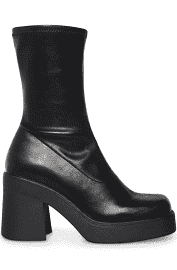


Steve Madden Klayton Black Boot

A solid boot like this used to be my favorite choice for a boot that I could dress up but still be comfortable wearing for hours. As I've gotten older, I cannot tolerate this height anymore, so I do not recommend anything like this unless you know that you are comfortable and safe wearing heels this high. 


Jeffrey Campbell

Book Platform Apron Toe Derby


I love the look of these oxfords! Only consider something like this if you know that you can handle the 'chunkier' and heavier shoes. 
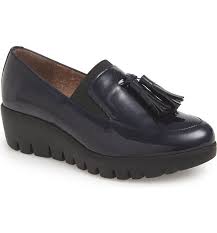


Wonders

Talla Loafer Wedge (Women)


This is a lovely choice for a low wedge and will most likely work best for someone with a more narrow foot and forefoot. I would not recommend this one for someone with painful bunions or hammertoes.
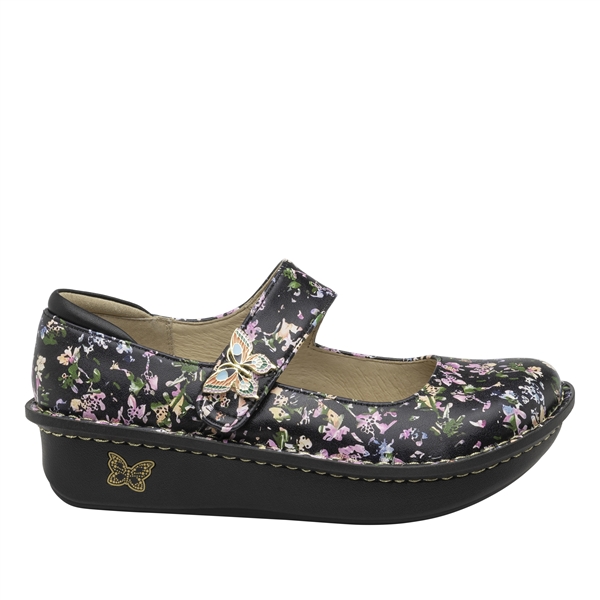

Alegria Paloma

This is a fabulous choice for anyone with a history of heel pain, metatarsalgia, osteoarthritis, and plantar plate issues (to name a few!). I would recommend that you try these on at the store and not purchase your first pair online. 
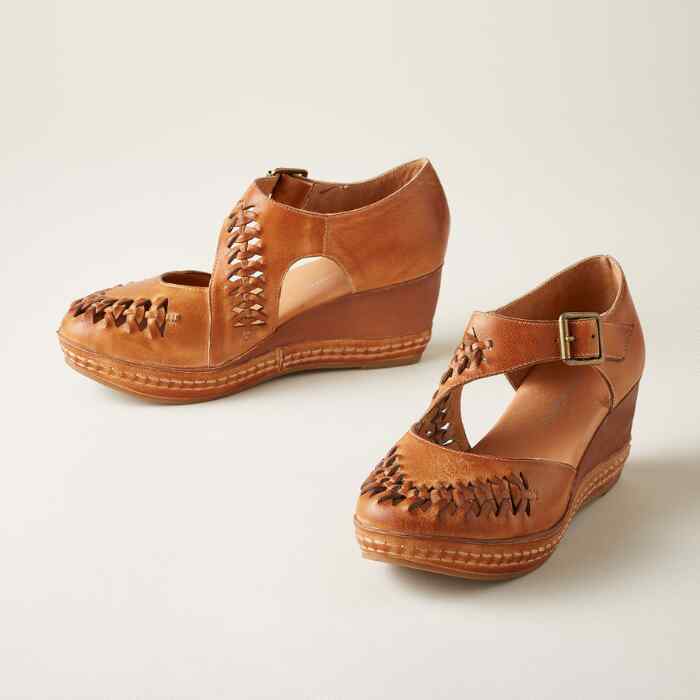


Kaila Shoes (Sundance)


Woven Naylor Sandals (Sundance)


Rowena Sandals (Sundance)


Living in Arizona, I felt it was important to include several sandals/wedges on the list as these can be appropriate to wear during the winter months. I have a patient who introduced me to the Sundance shoes and I was very impressed with how sturdy and well-made they are. 


Baxter Shoes (Sundance)

This is a great example of a solid Oxford which should feel comfortable for long hours on your feet. I love the chunky sole and color!


Kinetic Breakthru Conquest Boots (Sundance)
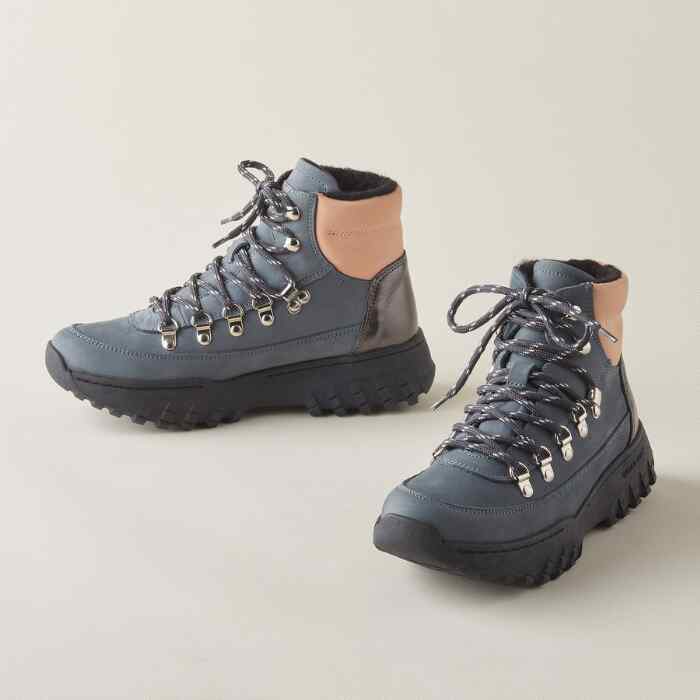


Iris Track Boots (Sundance)

These are good examples of sturdy boots that aren't your typical REI look, which isn't bad but these are definitely more stylish. 
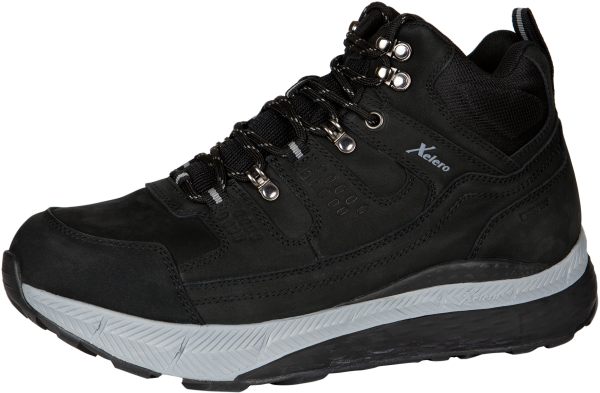


Xelero Steadfast Hiker (men's)


Xelero Steadfast Walker (Women's)
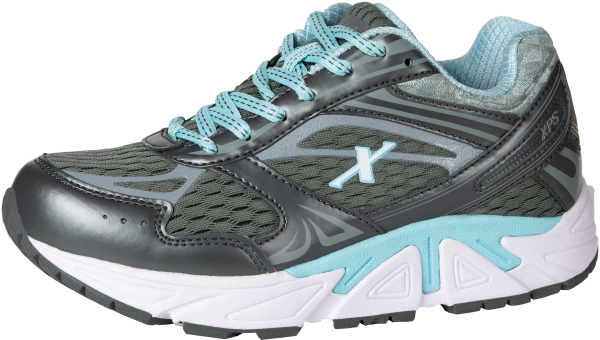


Xelero Genesis XPS (Women's)
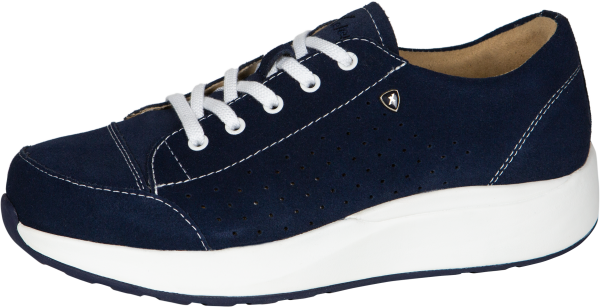


Xelero Heidi Deep Ocean
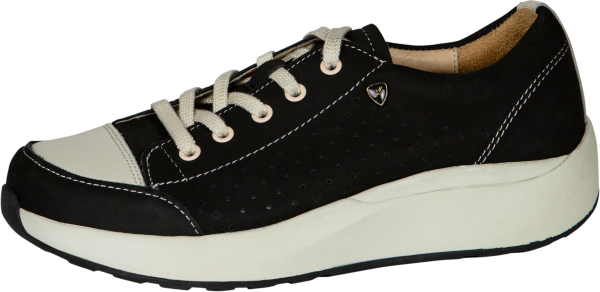


Xelero Heidi Black Ice (Women's)

All of the above Xelero's are great shoes! They all have a thick, rigid, and very protective sole that is perfect for anyone with a history of plantar fasciitis as well as any forefoot or midfoot pain such as metatarsalgia, plantar plate issues, a history of stress fractures, osteoarthritis, tendonitis, and sesamoiditis. 
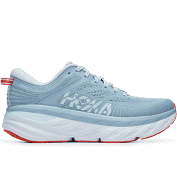
Hoka Bondi

My husband loves his Hoka Bondi shoes to the point that he is now even golfing in them! They are great for anyone with heel pain as well as knee, hip, and lower back pain. The only drawback to the Hokas is that, if you are super active (like my husband is!) they will wear out sooner than most other types of shoes such as New Balance or Xelero. I have to replace my husband's Hokas every 4-5 months, which can get expensive.  
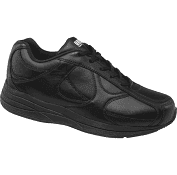

Drew Surge (Men's)
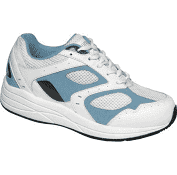

Drew Flare (Women's)

These Drew shoes are the gold standard (like the New Balance 928 or 1540s) for anyone who needs a sturdy and comfortable all-day walking shoe. I own the Drew Flare and wear them with my full-length custom-molded orthotics and they are the most comfortable shoe that I own. 
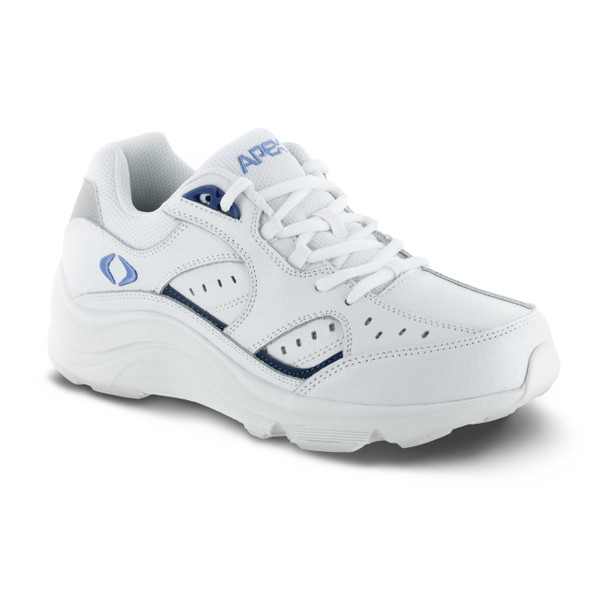
Apex Women's Walker
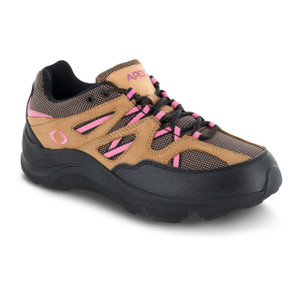


Apex Women's Trail Runner
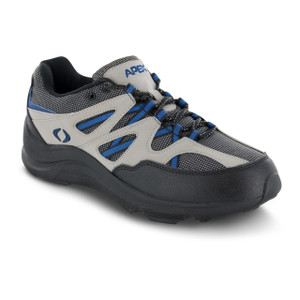


Apex Men's Trail Runner

The above Apex are great options for hiking or walking shoes. They also have a rigid and supportive sole and they can accommodate a custom-molded orthotic. 
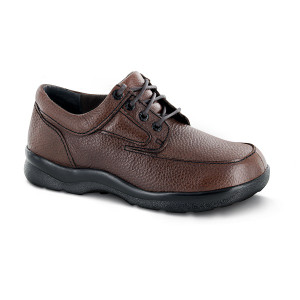
Apex Men's Ariya Moc Toe

This is a nice option for all-day comfort for someone who wants a more traditional dress shoe. 
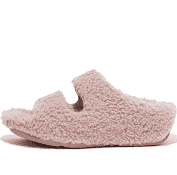
FitFlop Shuv Soft Pink Slippers
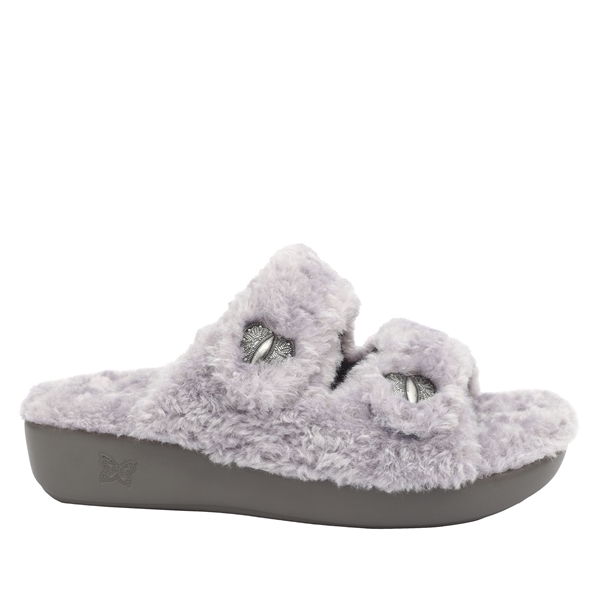
Alegria Chillery Smoke

I have not tried the above two slippers myself, but they certainly look super comfortable!


For more articles on painful feet and proper shoes, please check out my articles:

My feet hurt: Top 10 things to do to alleviate foot pain today.

Shoe recommendations for patients recovering from Lisfranc's fractures: Shoe Recommendations for patients recovering from Lisfranc's fractures


Thank you for reading! 

Dr. Cathleen A. McCarthy

:)


Saturday, January 4, 2020

Podiatrist Recommended John Fluevog Women's Shoes


Podiatrist Recommended
John Fluevog Women's Shoes 

Supervog

Akira

Todne

Flame

Capellan

Find

Advisor

Virtue

Luxon

Zenobia

These John Fluvog shoes are a great choice for anyone looking for comfortable yet fashionable footwear. I would recommend that you go to a Fluevog store to try on the shoes if at all possible. If you order online, I recommend that you read the reviews because it will give you tips on getting the best sizing.  

To review, for any shoe to be good enough for your feet it must meet 4 criteria:

First, the most important thing to remember is that any shoe that you wear must have a thick, rigid and non-flexible sole. 
The concept is counterintuitive but the idea is that if you have a painful joint then the last thing that you want to do is wear flexible shoes that force motion through joints that can’t handle it. When it comes to the foot, less motion equals less pain, inflammation and joint damage. A sturdy sole with no motion will also stop or slow the progression of bunions, hammertoes, stress fractures, and osteoarthritis. 


Second, it is important that it has a soft, wide toe box, which will put less pressure on toes, which helps to prevent corns, ingrown toenails and will even decrease the risk of developing toenail fungus. 

Third, all shoes that you wear should have rearfoot control because shoes without rearfoot control force you to scrunch down your toes to stay in the shoe, which promotes hammertoes and mechanical strain on your tendons and ligaments, which can cause tired leg syndrome.

The fourth thing is to wear shoes that will accommodate a custom-molded orthotic or an excellent over-the-counter insert for better arch support, which will help with preventing knee, hip and even lower back pain. If your dress orthotics don't work in your dress shoes or heels then don't wear them as trying to force them into a dress shoe can cause problems such as discomfort, calluses, and crowding of toes. Of the four criteria listed here, having arch support is the least important of the four.

These shoes are not recommended for patients with:
*Diabetes 
*Peripheral Neuropathy (nerve damage)
*Peripheral Arterial Disease (poor circulation)
*History of foot ulcerations
*Charcot Foot


If you are unsure if any of these shoes will work for your foot condition, please refer to your local podiatrist. 

I hope this was helpful!

Dr. Cathleen A. McCarthy

:)


Sunday, July 7, 2019

Excellent Shoes for Girls & Women with Small Feet!

Excellent Running Shoe 
for Girls and Women with Small Feet!

New Balance 860 V9


This is an excellent shoe that fits a women's size 5 up to size 13, which makes it a good choice for girls who need a supportive shoe as well as for women with unusually small feet. 

What makes this shoe so good is that it meets the 4 criteria of what is required for a shoe to be good enough for your feet:

1. It must have a thick, rigid and non-flexible sole for more stability and biomechanical protection. Less motion through foot joints means less inflammation, pain and damage. It also gives the runner a mechanical advantage, which should improve her running speed and decrease the risk of injury. 
2. It must have a wide, soft and square toebox so there is less pressure on the toes, which decreases the progression of bunions and hammertoes.  
3. It must have rearfoot control for more biomechanical control of the ankle and foot, which means less strain of the knees, hips and lower back.  
4. It should be able to accommodate arch support whether it's over-the-counter inserts or custom-molded orthotics. 

This Shoe is Recommended for Patients with:
* Hallux Limitus (limited range of motion of the 1st toe joint)
* Hallux Rigidus (no range of motion of the 1st toe joint because it has been surgically fused or degenerative joint disease)
* Functional Hallux Limitus
* Osteoarthritis 
* Rheumatoid Arthritis
Metatarsalgia 
* Morton's Neuroma
* Capsulitis
* Tailor's Bunion
* Bunions
* Hammertoes
* Corns and Calluses
* Plantar Fasciitis (heel pain)
* Mild Achilles Tendonitis
* Mild Posterior Tibial Tendonitis 
* Mild Peroneal Tendonitis 
* Previous history of Lisfranc's Injuries 
* Mild Ankle Instability 
* Tired Leg Syndrome
* Muscle Weakness
* Parkinson's Disease 
* The Elderly 

Check with your Podiatrist to see if the NB 860 V9 is appropriate for you if you have any of these conditions:  
* Diabetes
* Peripheral Neuropathy (Nerve Damage)
* Peripheral Arterial Disease (Poor Circulation)
* Severe Ankle Instability 
* History of Foot Ulcerations 

This Shoe is Not Appropriate if you have:
* Charcot Foot


I hope that this was helpful! For more articles, check out:

My feet hurt! Top 10 things to do to alleviate foot pain today. 
http://podiatryshoereview.blogspot.com/2012/05/my-feet-hurt-top-ten-things-relieve.html

Shoe recommendations for the patient's recovering from Lisfranc's injuries.
http://podiatryshoereview.blogspot.com/2012/04/podiatrist-shoe-recommendations-for.html


Have a great day!

Dr. Cathleen A. McCarthy 

:)


Monday, February 27, 2017

Women's Comfort Dress Shoe - Podiatrist Approved.


Born Lezlie

A great choice for all day comfort!


The Born Lezlie is my new go-to all day comfort shoe for work. I use a heat-molded, thin orthotic for better arch support and I am astonished that this shoe is more comfortable than my Dansko Professional clogs. 

What makes this shoe so great is that it meets three of the four criteria that a shoe must have to be good for your feet and to be comfortable. 

The four criteria that a shoe must have to be podiatry approved are:
1. Thick, rigid, and non-flexible sole. 
2. Wide toebox.
3. Rearfoot control. 
4. Arch Support. 

The Born Lezlie has a thick, rigid, and non-flexible sole that is crucial for protecting your foot joints. If you are wearing a shoe with a flimsy sole that allows motion through painful or challenged joints, then that excessive motion will promote the formation of bunions, hammertoes, and osteoarthritic joint changes. It also can increase strain on ankles, knees, hips, and the lower back. Wearing shoes with flexible soles causes increased motion through foot joints, which can cause increased pain, inflammation, and swelling. 

The Born Lezlie has a wide(ish) toe box that will work for most people who have mild to moderate bunions and hammertoes. The rearfoot control, as well as the added benefit of midfoot strapping, is excellent for improved biomechanical control of the foot joints.  

The Born Lezlie is recommended for people with:

  • Plantar Fasciitis (heel pain)
  • Mild to Moderate Bunions
  • Mild to Moderate Hammertoes
  • Mild Morton's Neuroma
  • Mild Metatarsalgia
  • Mild to Moderate Hallux Limitus
  • Mild to Moderate Functional Hallux Limitus 
  • Possibly Hallux Rigidus (try it on in the store to ensure that it works for you)
  • Surgically fused 1st Toe Joint (because the toe is typically fused at 15 degrees of dorsiflexion - this shoe should work)
  • Capsulitis
  • Mild Osteoarthritis 
  • Mild Rheumatoid Arthritis (check with your Rheumatologist)
  • Healed Lisfranc's Injury (check with your podiatrist) 
  • Mild Tendonitis
  • Mild Achilles Tendonitis
  • Mild Over-Pronation (try to wear with a dress orthotic or heat-molded insert, which you can typically get from your podiatrist)
  • Mild Tailor's Bunions
  • Mild Corns & Calluses


The Born Lezlie is not recommended for people with: 

  • Diabetes
  • History of Ulcerations
  • Peripheral Neuropathy (nerve damage)
  • Peripheral Arterial Disease (poor circulation)
  • Charcot Foot
  • Excessive Swelling
  • Lymphedema
  • Severe Over-Pronation
  • Severe Ligament Laxity / Hypermobility
  • Drop Foot
  • Balance Issues
  • History of Falling 
  • Severe Bunions
  • Severe Hammertoes
  • Severe Tailor's Bunions


For more information on proper shoes, please check out my other articles on this blog:

Shoe recommendations for patients recovering from Lisfranc's injuries:
http://podiatryshoereview.blogspot.com/2012/04/podiatrist-shoe-recommendations-for.html

My feet hurt! Top 10 things to do to alleviate foot pain today.
http://podiatryshoereview.blogspot.com/2012/05/my-feet-hurt-top-ten-things-relieve.html


I hope this was helpful!

Dr. Cathleen A. McCarthy

:)